
The evolution of gambling tracing the roots of chance through history
The Ancient Beginnings of Gambling
The roots of gambling can be traced back thousands of years to ancient civilizations. Evidence suggests that people in Mesopotamia, around 3000 BC, engaged in games of chance using rudimentary dice made from materials like bones or stones. These early forms of gambling were often intertwined with rituals and religious practices, as they were believed to reflect the will of the gods. The excitement of taking risks and the possibility of winning rewards captured the human imagination, laying the foundation for future gambling activities. You can explore more about this thrilling landscape at https://vegas2webcasino.co.uk/.
In ancient China, around 2000 BC, evidence of early gambling practices is found in oracle bones and other artifacts. One of the most notable contributions of ancient Chinese culture to gambling is the invention of keno, a lottery-style game that remains popular today. The Romans also embraced gambling, using dice and betting on gladiatorial contests. This widespread acceptance across various cultures illustrates the universal appeal of chance, establishing gambling as a staple in social interactions and entertainment.
As civilizations evolved, gambling took on new forms and meanings. In ancient Greece, for instance, the Greeks developed more structured forms of betting, including betting on athletic competitions during the Olympic Games. This transition from informal gambling to more organized betting laid the groundwork for what would later emerge as modern gaming. The innate human desire to seek fortune and thrill continued to drive the evolution of gambling practices, leading to increasingly complex systems and rules.
The Middle Ages and Renaissance: Gaming Culture Flourishes
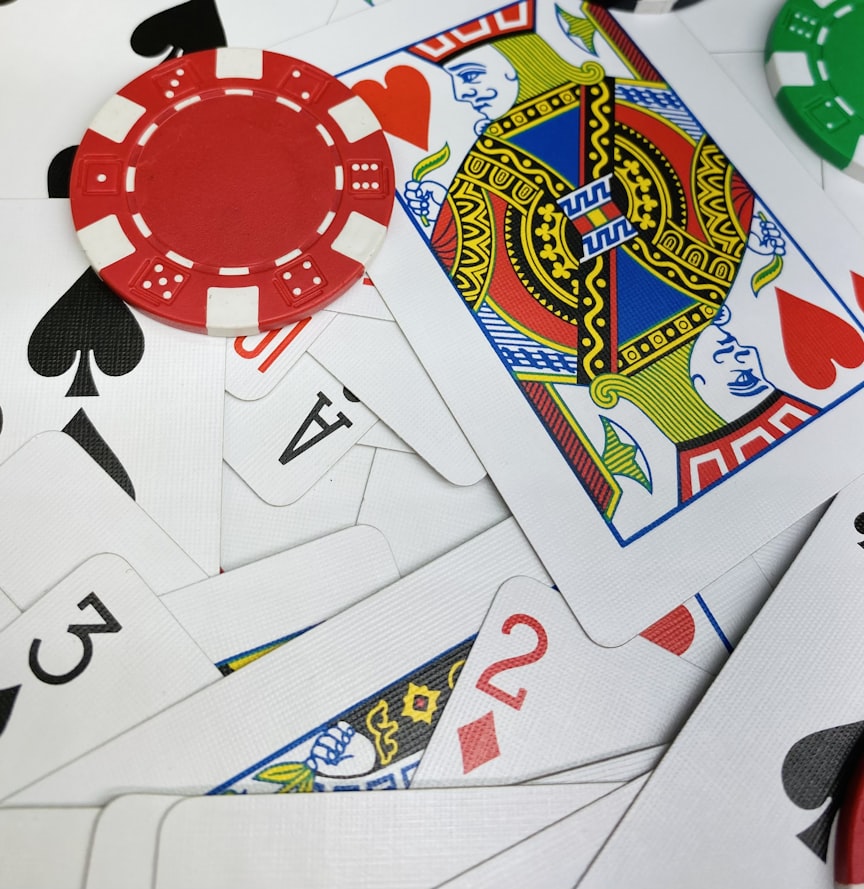
The Middle Ages marked a significant turning point in the evolution of gambling. During this period, gaming houses began to appear across Europe, providing formal venues for dice games and card playing. The introduction of playing cards in the 14th century from Asia revolutionized gambling, as card games became increasingly popular among the nobility and the general population alike. This era saw the establishment of various games, such as poker and blackjack, which are now common in modern casinos.
During the Renaissance, gambling gained further legitimacy and popularity. The concept of betting on games transitioned into more organized formats, particularly with the rise of lottery systems. Governments began to recognize gambling’s potential as a revenue source, leading to the establishment of state-run lotteries, which funded public projects and infrastructure. This melding of gambling with civic duty created an environment where chance was not only a form of entertainment but also a means of social progress.
The cultural acceptance of gambling during this era paved the way for the first official casinos, with establishments emerging in Italy in the 17th century. These luxurious venues catered to the wealthy elite, offering a range of games and social opportunities. The blend of chance, skill, and social interaction solidified gambling’s place in European culture, setting the stage for its expansion and transformation in the coming centuries.
The Age of Enlightenment and the Rise of Modern Gambling
The Age of Enlightenment brought about significant changes in society, including a reexamination of personal liberties, which extended to gambling. The 18th century saw the establishment of more structured betting systems and regulations as people sought to place wagers in a controlled environment. The emergence of the first official casinos in France, such as the Casino de Spa, marked a shift toward a more sophisticated gambling experience, combining luxury with chance.
This period also witnessed the development of several popular games, including roulette and baccarat, which became staples in European casinos. The expansion of the British Empire allowed gambling to spread across the globe, with British settlers introducing their gaming practices to North America and other regions. The concept of wagering on horse races became particularly popular, leading to the establishment of racetracks and betting parlors in the United States.
As the 19th century approached, the Industrial Revolution further transformed gambling. Innovations in transportation and communication led to the expansion of gaming venues and the introduction of betting on a wider array of sports. This growing accessibility prompted the development of gambling laws in various jurisdictions, seeking to protect players and regulate the industry. The stage was set for the gambling boom of the 20th century, as casinos and betting establishments proliferated.
The Modern Era: Digital Gambling and Online Casinos
The late 20th century marked a seismic shift in the gambling landscape with the advent of the internet. Online casinos emerged, allowing players to engage in gambling activities from the comfort of their homes. This new frontier opened up opportunities for innovation in game design and betting options, leading to the rise of virtual slot machines, poker rooms, and live dealer games. The convenience of online gambling attracted a new demographic, including those who may not have visited traditional casinos.
However, the digital era also presented challenges regarding responsible gambling. As accessibility increased, so did concerns over addiction and financial risk. In response, many online platforms implemented measures to promote responsible gambling, such as deposit limits, self-exclusion options, and educational resources. This focus on player protection is crucial for fostering a safer gambling environment in the digital age.
The evolution of gambling continues to unfold, with advancements in technology, including mobile gaming and virtual reality, offering new ways to engage with games of chance. As the industry adapts to changing consumer preferences and societal expectations, it remains essential to address the implications of gambling in modern society, ensuring that the enjoyment of chance does not overshadow the importance of responsible practices.

Exploring the World of Online Gaming Today
As gambling has evolved, so has the landscape of online gaming, with platforms like Vegas2Web Casino providing a comprehensive gaming experience for players worldwide. The platform offers a diverse array of games, including traditional favorites and innovative new options, all designed to cater to different skill levels and preferences. The user-friendly interface makes navigation seamless, ensuring that both novices and seasoned players can enjoy their favorite games.
Vegas2Web Casino prioritizes player safety and security, employing advanced technology to protect user data and financial transactions. This commitment to security, combined with generous bonuses and promotions, enhances the gaming experience while encouraging responsible gambling practices. The platform also offers dedicated customer support, ensuring that inquiries and concerns are addressed promptly to create a smooth gaming environment.
As we look to the future, the evolution of gambling will likely continue to integrate new technologies and trends. The blend of traditional gaming elements with cutting-edge advancements promises exciting opportunities for players seeking entertainment. Whether through online platforms or brick-and-mortar venues, the world of gambling remains vibrant and dynamic, reflecting humanity’s enduring fascination with chance.